
Nepal is a place where the sky touches mountains and small villages hide like secrets. People come here from far and near because mountains call them with whispers. This country has many, many trails, but some trails make the heart beat faster, the mind feel small and the eyes see forever. If you want to feel all of this, you must think about big treks, big adventures, and big sky. Here I will tell you about five treks that give everything that one traveler dreams about.
Everest Base Camp Trek—Where the World is Tall
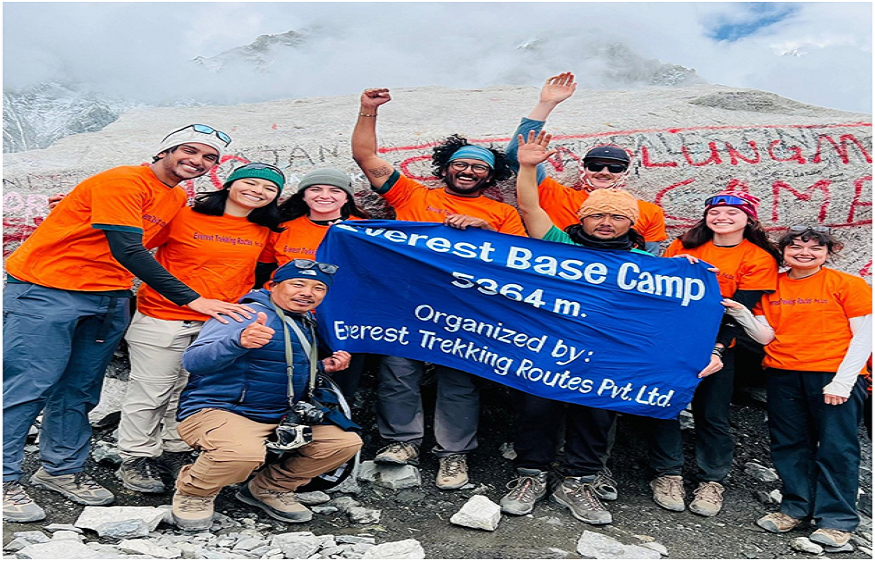
Everest Base Camp Trek—this place name alone makes people feel excited. The trail starts from a small town called Lukla. The plain land there is small, very small, but the view is big, with big mountains everywhere. Walking starts easy but soon you feel your lungs need more air. Villages along the trail have tea houses; the smell of food and warmth makes the body happy. The trail passes Namche Bazaar; this place is like the heart of the Sherpa people. Every step forward, you see more high, snowy peaks and white glaciers like clouds on land.
The Everest Base Camp trek is not only walking; it is like a journey of eyes and mind. The trail makes you feel small but strong too. At night, stars come down, seem to touch hands, and the morning sun makes peaks glow like gold. People meet many trekkers; some talk, some are quiet. From Base Camp you see Everest, Lhotse, and Nuptse close, and your heart feels great respect. This trek is not as hard as the Everest Three Pass, but it is enough to test courage and lungs.
Annapurna Circuit Trek – Circle of Nature
THE Annapurna Circuit Trek is a different feeling. You walk many types of land, from green jungle to cold desert high. This trek starts from a small city called Besishahar. On the first days, rice fields, river sounds, and children playing with smiles. Trails go slowly up, mountains grow bigger, and Annapurna and Dhaulagiri show teeth of snow. You see villages with low roofs and people simple but proud. Tea houses serve dal bhat, momo, and warm soup, and the body is happy after a long day.
“Circuit” means “circle,” and yes, trails go around Annapurna Massif. Crossing Thorong La Pass is a big moment. At heights above five thousand four hundred meters, the air is thin, and breathing is hard, but the view rewards all pain. Walking from Muktinath down is like returning to the world but your heart stays with the mountains. The Annapurna Circuit has rivers, cliffs, waterfalls, forests, and a desert-like place called Manang. Every step is different; every day is a new surprise.
Mardi Himal Trek—Secret Trail of Beauty
The Mardi Himal Trek is a small, hidden gem. Not many people go there, so it is quiet, with peace everywhere. The trail starts from Pokhara, a city near a lake. First walk through the forest, birds singing, river laughing. Then trails slowly go up, and small villages appear with friendly faces. Trees are green, and rhododendrons bloom like a rainbow. Peaks show gradually, Machhapuchhre’s famous fishtail, and snow sparkles in the sun.
Mardi Himal is not very long, but the view is very strong. Camps at night under a sky full of stars make you forget the city, work, or worry. Small trail, but every step gives big joy. This trek is good for people who want to feel mountains close but not for long and not very crowded. Local people smile and share stories; tea houses smell of fresh bread and yak cheese. Walking here is like walking in a dream with feet touching real land.
Everest Three Pass Trek – Hard Way, Big Sky
The Everest Three Pass Trek is an adventure for strong hearts and lungs. Not for the lazy or weak, this trek challenges everything. Three big passes, Kongma La, Cho La, and Renjo La, all high, all cold, and all strong wind. The trail mixes snow, ice, stone, glaciers, and sometimes river crossings. Every day you wake early, dress warm, walk slowly, and breathe deep. But the reward is beyond imagination. Views from high passes make the body forget it’s tired; eyes want to see more.
The Everest Three Pass trek connects villages, high valleys, lakes, and forests. People meet fewer; mostly Sherpa live here. Tea houses are smaller, and the food is simple but enough. Walking here feels like you are alone on a mountain, with only the sound of wind and snow. Sometimes clouds come, fog hides the path, and you feel like an explorer, a real explorer. At the end, when back to Lukla, heart full, body tired, mind never forgetting high snow, big sky, and strong wind.
Best Time and Preparation
The best time for these trips is springtime and fall. Springtime From March to May, blossoms bloom, snow is still white, and the view is clear. Fall (September-November): air clear, skies blue, sunlight not too warm, days perfect. Summer downpours are not good; rainfall, landslides, and clouds conceal peaks. Winter (December-February) is very chilly; lots of passes have plenty of snow, and some trails are shut.
Prep work is not just for packing bags but also for educating. Strolling lots of days, climbing up lots of meters, the air is slim. Cardio exercise, lengthy strolls, hillside strolls, and stairway climbs up help lungs and legs. Backpack not hefty, shoes great, coat warm, handwear covers, hat, sprinkle, treats, and video cam. Psychologically also prepare; the path is sometimes hard, sometimes lonesome, but the reward is constantly big.
Food and Accommodation
Food on the path is simple but delicious. Dal bhat, rice, lentils, veggies, and sometimes meat. Momo, soup, tea, and coffee. 3 dishes daily, enough power for strolling lots of hours. Accommodation is tea house design, with a small room, mattress, and covering. Some prefer a warm shower, some a chilly sprinkle. Evening cold; bring warm clothes. People are local, helpful, sometimes sing, and sometimes play songs. Seeming like a section of a small-town family.
Culture and People
Nepal is a blend of lots of societies. Sherpa, Gurung, Tamang, and Thakali all have their own lifestyles. Trails show abbeys, petition flags, many wall surfaces, and chortens. People grin, children wave, and monks are in tranquility. Trekking is not just for nature but also for society, background, and religious beliefs. Hills are sacred; people respect them, and you learn respect too. Celebrations, petitions, tunes, and dancing are all various from city life.
Tips for Trekkers
Walk slowly, breathe deeply, drink water, and eat enough. Altitude sickness can come; rest if needed. Respect local people, follow trails, and do not leave garbage. Camera always ready, every view special. Talk with people, share stories, and laugh. Weather can change fast, so carry a jacket, gloves, and a hat. Shoes good, socks warm. Enjoy every step; do not hurry. mountains teach patience.
Conclusion
Trekking in Nepal is not simply walking; it’s living inside hills. The Everest Base Camp trek gives the feeling of standing close to the skies, where every breath is slow but the heart is solid. The Annapurna Circuit Trek shows lots of globes in one course: towns, rivers, dry land, and snow, all changing gradually. For peaceful enthusiasts, Mardi Himal Trek is a small but deep, peaceful path with big beauty and fewer groups. The Everest 3 Pass Trek is hard, lengthy, and sometimes frightening, but it makes a solid mind and happy spirit. These trips are not the exact same, but all instruct persistence, struggle, and respect for nature. You return exhausted but happy, broken but complete. Hills don’t change you fast; they change you gradually and forever.
Contact Details
Company address: Everest Trekking Routes Pvt. Ltd.
16 Khumbu, Nayabazaar, Kathmandu, Nepal
Mobile : +977-9843467921 (Rabin)
Email: info@everesttrekkingroutes.com
URL:– www.everesttrekkingroutes.com